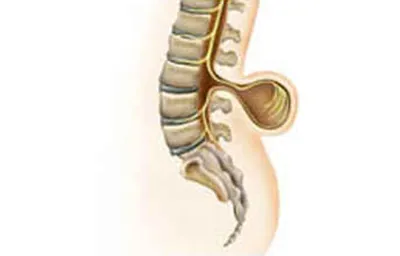
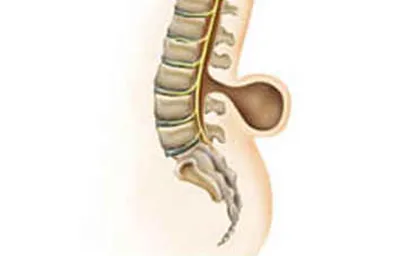
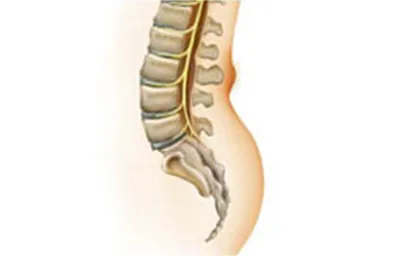
Prevention of spina bifida
The number of children born with spina bifida is declining due to a combination of more women taking folic acid supplements before and after conception and screening programs to identify the condition early in pregnancy.
Spina bifida and bladder problems
As the bladder and bowel are controlled by the nerves in the lower part of the spinal cord, a spinal cord that is damaged will lead to bladder dysfunction to different degrees depending on the severity of the nerve damage. What kind of bladder problems? Most people with spina bifida will experience bladder and/or dysfunction known as neurogenic bladder, which means they have difficulties controlling their bladder. A neurogenic bladder can lead to either overactive (reflex) bladder and/or underactive (flaccid) bladder, which is why people with spina bifida need help to manage their bladder.
Most children with spina bifida will experience bladder dysfunction known as neurogenic bladder, which means they have a decreased ability to control their bladder. A neurogenic bladder can lead to either spastic bladder and or flaccid bladder, which is why spina bifida children need a good bladder management programme.
Flaccid bladder
The most common type of bladder dysfunction in spina bifida is flaccid bladder. This is when the bladder overstretches allowing extremely large amounts of urine to be stored before being expelled. The bladder can stretch to hold as much as 2000 ml of urine, which can lead to leakage. Very often when you have spina bifida, flaccid bladder usually occurs in combination with a sphincter muscle that does not open to the urethra.
Spastic bladder
This is when the bladder is very rigid, which means that it is unable to stretch and therefore cannot hold as much urine as normal. On top of this, the bladder may not empty completely, which increases the risk of a urinary tract infection, as the residual urine acts like a pool in which bacteria can grow.
Typical symptoms of spastic bladder are:
- The need to empty your bladder frequently
- Uncontrolled leakage
- Spontaneous emptying